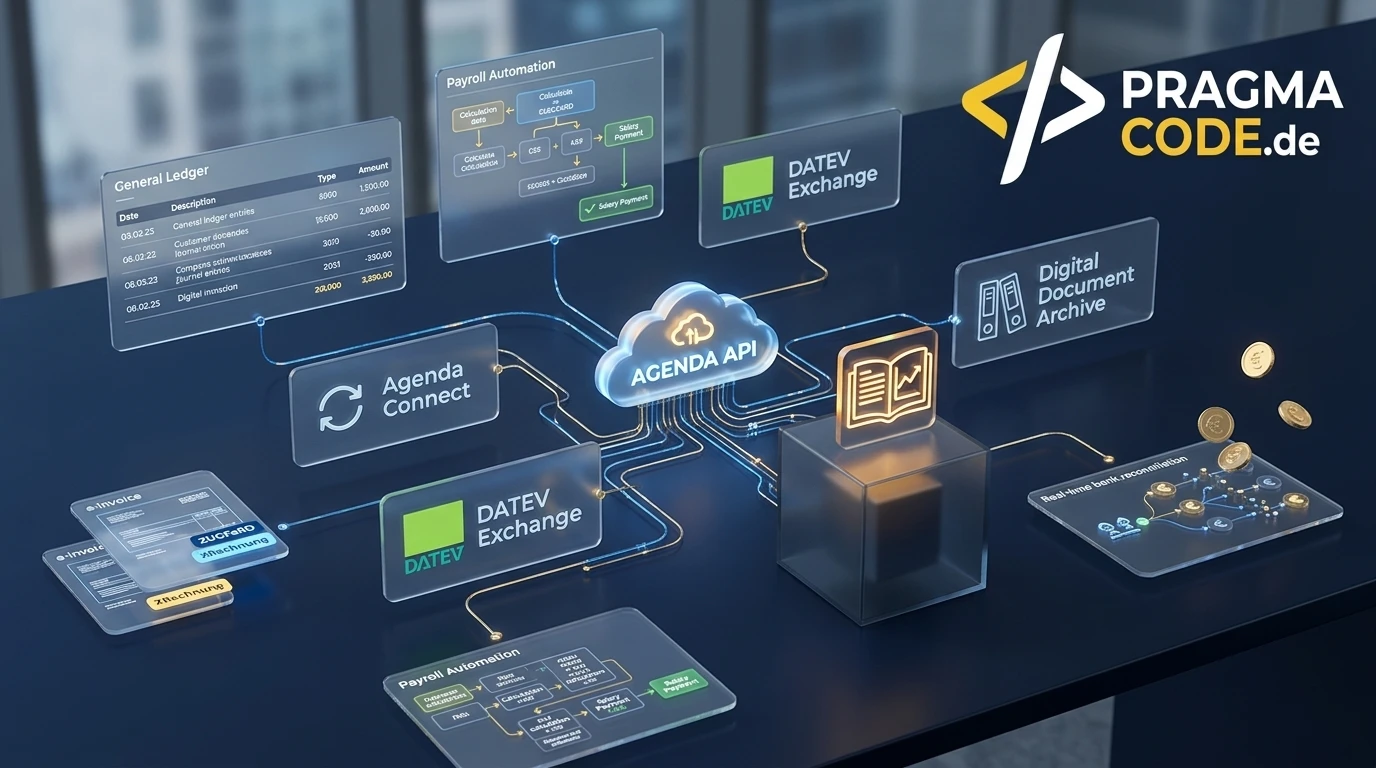
Agenda Software from Rosenheim stands as a reliable, cost-efficient all-in-one suite for tax advisors, accounting offices, and mid-market companies. How can businesses achieve seamless integration with modern ERP systems, Agenda Connect, and e-invoicing pipelines in 2026?
This article is an in-depth expert contribution from our content cluster. Discover the complete overview on our main page: AI & Workflow Automation →
- Integrated Practice & SME Platform: Agenda unifies financial accounting, payroll calculation, taxation, and digital DMS in a single consolidated database.
- Agenda Connect Data Hub: Secure cloud data bridge for automated voucher imports, banking reconciliation, and client collaboration.
- Frictionless DATEV & E-Invoicing Pipelines: Certified bidirectional filters for DATEV accounting batches, natively supporting ZUGFeRD and XRechnung.
- 1. Agenda Software: Market Positioning & Architecture in 2026
- 2. Agenda Connect: The Modern Cloud Data Bridge in Detail
- 3. Integration Architecture: Web Services, File Gateways & DATEV
- 4. Comparative Analysis: Agenda Software vs. DATEV Ecosystem
- 5. The 5 Core Modules for Automated Financial Operations
- 6. GoBD Compliance, E-Invoicing 2026 & Certified Data Security
- 7. Integration Roadmap: 4 Phases to an Automated Pipeline
- 8. Avoiding Common Cost Traps & Technical Implementation Risks
- 9. Conclusion & Actionable Executive Checklist
1. Agenda Software: Market Positioning & Architecture in 2026
Founded in 1984 and based in Rosenheim, Bavaria, Agenda Informationssysteme GmbH stands as one of the most reliable and respected developers of business software in the DACH territory. While multinational conglomerates deploy complex monoliths such as SAP or Oracle NetSuite and digital startups opt for entry-level bookkeeping apps like sevDesk or Lexware Office, Agenda Software focuses on a substantial core demographic: more than 350,000 small and mid-market commercial firms, alongside over 17,000 certified tax advisors, auditors, and independent accountants.
The architecture of Agenda is defined by a pragmatic hybrid methodology. The core application runs as a high-performance Windows client-server architecture built on a central relational database. All functional modules—spanning general ledger accounting, fixed assets, and statutory payroll—access the identical data repository without reconciliation delays. Concurrently, the modern cloud ecosystem Agenda Connect facilitates frictionless web collaboration between corporate enterprises, their staff, and accounting practices.
Expert Tip: Transparent Flat-Rate Philosophy
A distinctive competitive differentiator of Agenda is its transparent pricing framework with zero hidden transaction surcharges or per-receipt fees for cloud exchanges. This structure makes IT integration roadmaps predictable and financially sound.
2. Agenda Connect: The Modern Cloud Data Bridge in Detail
At the center of modern workflow automation with Agenda is Agenda Connect. The platform operates as a secure cloud data hub connecting on-premise Agenda workspaces with digital business tools. Corporate clients, online storefronts, upstream billing engines, and financial institutions upload vouchers and transaction logs via encrypted HTTPS endpoints, ready for one-click processing.
1. Digital Document Capture & Neural OCR Processing
Incoming and outgoing vouchers are transmitted via web upload, mobile scanning apps, or automated API endpoints. A neural OCR engine automatically reads invoice sums, document IDs, lines, and tax rates for instant journal creation.
2. Banking Statement Manager & Automated EBICS Ingestion
Automatic daily collection of bank transaction feeds via PSD2 and EBICS protocols. Algorithmic matching associates incoming bank receipts with open accounts receivable records, generating balanced entries.
3. Staff Self-Service Portal & Digital Wage Slips
Employees access monthly pay slips, social security confirmations, and annual tax certificates via a mobile-optimized portal. Absence logs and variable bonus entries sync directly with the payroll module.
4. Web Analytics & Mobile Financial Dashboards
Economic evaluations (BWA), balance sheet summaries, and cash flow charts are delivered to corporate decision-makers around the clock without manual PDF generation from accounting staff.
3. Integration Architecture: Web Services, File Gateways & DATEV
Integrating third-party IT environments with Agenda relies on a versatile three-pillar architecture: cloud web services, structured batch file interfaces, and native industry converters.
1. Agenda Connect Web APIs
RESTful endpoints for syncing digitized vouchers, accounting metadata, and payment files between ERP systems and advisory desktops.
2. Bidirectional Exchange Converters
Native data conversion filters implementing official DATEV Postversand and Kanzlei-Rechnungswesen schemas for transactions, master data, and open balances.
3. ASCII & CSV Ingestion Gateways
High-throughput file ingestion filters reading journal batches from ERPs, e-commerce stores, and billing software with fully customized field mappings.
4. ZUGFeRD & XRechnung Parser
Automated validation of structured XML invoices complying with EN 16931, linking semantic metadata to audit-proof digital archives.
In modern engineering implementations, open-source workflow platforms such as n8n serve as an ideal middleware orchestrator. The workflow catches webhooks dispatched from modern ERPs, commerce platforms (Shopify, Shopware), and payment gateways. It sanitizes records, aligns account codes to Agenda standards, and transmits validated batches either via the Agenda Connect REST interface or into watched batch directories.
Automated pre-processing plays a pivotal role: Incoming JSON payloads from commerce gateways are checked for tax key validity, verified VAT registration numbers, and GoBD compliance before entry. If an anomaly is detected, the workflow alerts finance managers instantly, preventing invalid ledger entries from compromising monthly tax filings.
Through this automated middleware pipeline, manual reconciliation across departments drops to zero. Receipts, transaction records, and tax line items arrive pre-allocated and GoBD-compliant directly inside the central ledger within minutes.
4. Comparative Analysis: Agenda Software vs. DATEV Ecosystem
When selecting software, tax practices and SME finance leaders frequently evaluate the operational trade-offs between Agenda Software and market leader DATEV.
Comparison: Agenda Software vs. DATEV Ecosystem
- Market Penetration: Established industry standard across enterprise advisories with an extensive partner network.
- Cloud Suite: Wide range of web tools (Unternehmen online), though segmented with separate module billing.
- Maintenance Overhead: Higher technical complexity requiring dedicated smartcard readers, licenses, and server tuning.
- Cost Dynamics: Modular pricing models combined with variable usage fees per document and cloud storage tier.
- Single Database: General ledger, payroll, tax filings, and DMS operate seamlessly on a single unified database.
- Agenda Connect: Streamlined, user-friendly cloud portal designed for frictionless client collaboration.
- Lean Administration: Minimal IT footprint, automated background updates, and direct personal customer support.
- Cost Dynamics: Highly competitive, transparent flat-rate licenses without per-transaction transfer fees.
5. The 5 Core Modules for Automated Financial Operations
Agenda provides an integrated software suite addressing every essential operational finance process. The following five modules form the cornerstone of automated accounting workflows.
1. General Ledger & AP/AR
Double-entry bookkeeping compliant with standard German frameworks (SKR03/SKR04), offering automatic posting recommendations and automated VAT returns via ELSTER.
2. Payroll Accounting
Certified wage calculation complying with German statutory standards (ITSG, DEÜV), featuring digital staff portals and automated transmissions to social funds.
3. Document Management System (DMS)
Audit-proof, GoBD-compliant long-term archiving of fiscal documents, correspondences, and annual reports linked directly to corresponding journal entries.
4. Fixed Asset Management
Automated depreciation calculations, collective asset pool management, and direct automated synchronizations into general balance sheet accounts.
5. Financial Statements & Taxation
Generation of commercial balance sheets, P&L statements, E-Bilanz electronic tax submissions, and automated corporate tax declarations.
6. GoBD Compliance, E-Invoicing 2026 & Certified Data Security
Legal compliance and immutable audit records are mandatory requirements for accounting firms and corporate finance departments. Agenda fully satisfies all statutory standards outlined in the GoBD.
Audit-Proof Immutability
Every finalized ledger entry is locked irreversibly according to GoBD guidelines. Corrections are recorded exclusively through traceable cancellation entries.
ISO 27001 Certified Data Centers
Agenda Connect cloud infrastructure is deployed within ISO/IEC 27001 certified German data centers, fulfilling strict GDPR and professional privacy regulations.
EN 16931 E-Invoicing Standards
Incoming ZUGFeRD and XRechnung XML files are verified automatically, rendered into human-readable views, and immutably coupled with ledger transactions.
Two-Factor Authentication (2FA)
Access to Agenda Connect and employee self-service portals is shielded by multi-factor authentication, safeguarding confidential payroll records.
7. Integration Roadmap: 4 Phases to an Automated Pipeline
Connecting third-party business engines and internal databases with Agenda Software succeeds through a disciplined four-phase implementation framework.
-
Phase 1: Chart of Accounts & Master Data Alignment
Select the standard chart of accounts (SKR03 or SKR04), unify customer and vendor ID number spaces, and align operational tax codes across all systems.
-
Phase 2: Interface Configuration & Agenda Connect Setup
Activate Agenda Connect cloud connectors, generate authorization tokens, and configure automated polling schedules in accounting practice environments.
-
Phase 3: Middleware Implementation & Staging Runs
Construct automated transformation logic in n8n or custom API adapters. Execute test transmissions with simulated transactions to verify GoBD compliance logs.
-
Phase 4: Live Production Rollout & Monitoring
Transition to production data exchange, train operational accounting personnel, and establish automated monitoring notifications for rejected payloads.
8. Avoiding Common Cost Traps & Technical Implementation Risks
Although Agenda is renowned for its straightforward cost structure, improper implementation practices can introduce operational friction and unexpected expenses.
1. Divergent Tax Keys in Upstream Systems
If webshops or ERPs submit tax keys that diverge from Agenda automatic accounts, costly manual rebooking procedures become unavoidable.
2. Out-of-Sync Master Records & Duplicate Accounts
When address or banking details are updated in the ERP without syncing back to Agenda, automated SEPA direct debits fail and open items desynchronize.
3. Missing Human-Readable Previews for Pure XML
Raw XRechnung XML files without rendered PDF previews complicate internal approval workflows. Implement automated PDF rendering in the middleware.
4. Ingestion Backlogs at Month-End Filing Deadlines
Delaying voucher synchronization until just before statutory VAT filing deadlines creates compute bottlenecks and limits review time for accountants.
9. Conclusion & Actionable Executive Checklist
In 2026, Agenda Software represents an exceptionally competitive, dependable, and economical enterprise platform for tax advisors and growing mid-market enterprises. Thanks to its deep integration across all business modules and the modern cloud bridge provided by Agenda Connect, the suite integrates seamlessly into modern digital environments. Organizations benefit from automated operations, rigorous GoBD compliance, and reliable cost forecasting.
Quick-Check: Your Agenda Automation Action Plan
Ready to Automate Your Agenda Software Interfaces?
Schedule a Free ConsultationOfficial Sources & Primary Documentation
- Agenda Informationssysteme GmbH (2026): "Agenda Software: Accounting, Payroll, Taxes & DMS" – Official platform architecture and module overview.
- Agenda Connect Documentation (2026): "Agenda Connect: The Digital Platform for Practices and Clients" – Cloud interface specifications and workflows.
- Federal Ministry of Finance (BMF): "Principles for the Proper Maintenance and Retention of Electronic Books (GoBD)" – Legal guidelines for electronic bookkeeping systems.
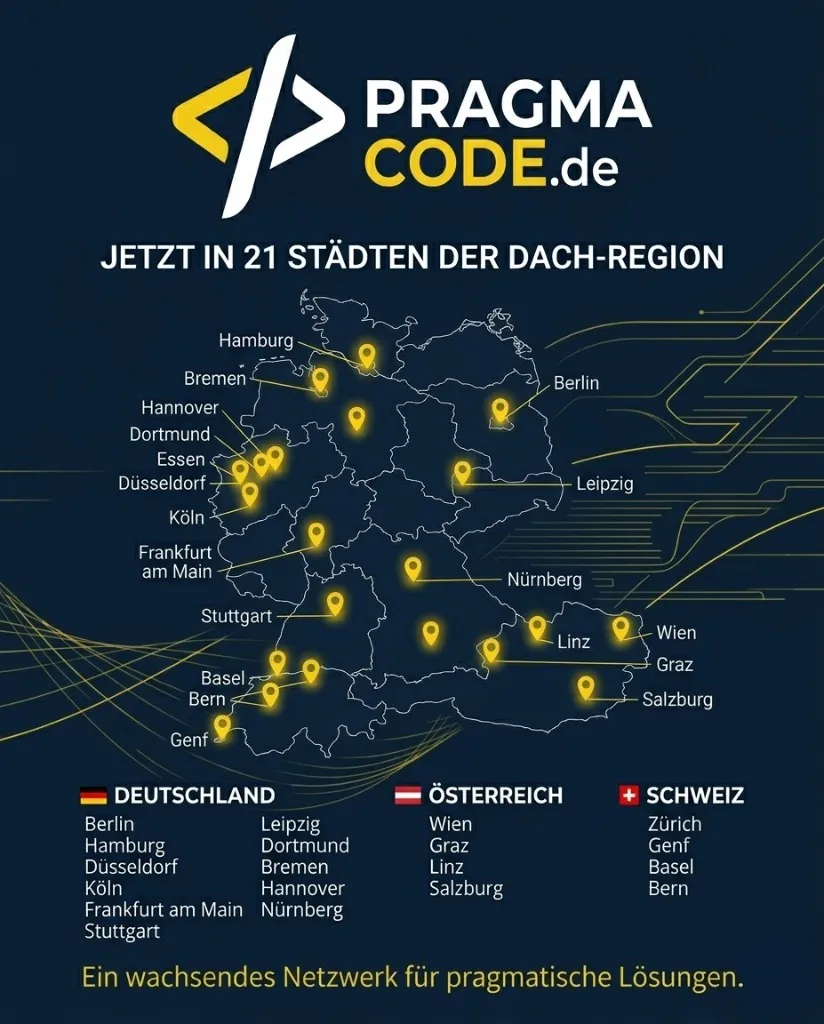
Our Regional Expertise
We are your digital partner – regionally anchored and successfully scaling across borders.
Have a vision?
Let's check together how we can make your idea take flight.
Book your free strategy call nowExtended Specialized Glossary
Agenda Connect
The modern cloud data interface by Agenda Informationssysteme GmbH enabling automated synchronization of vouchers, banking feeds, and journal batches.
Agenda Software
The integrated enterprise and accounting software suite from Germany covering general ledger, payroll, corporate tax compliance, and digital DMS.
GoBD
Principles for the proper maintenance and retention of electronic books, records, and documents in Germany.