
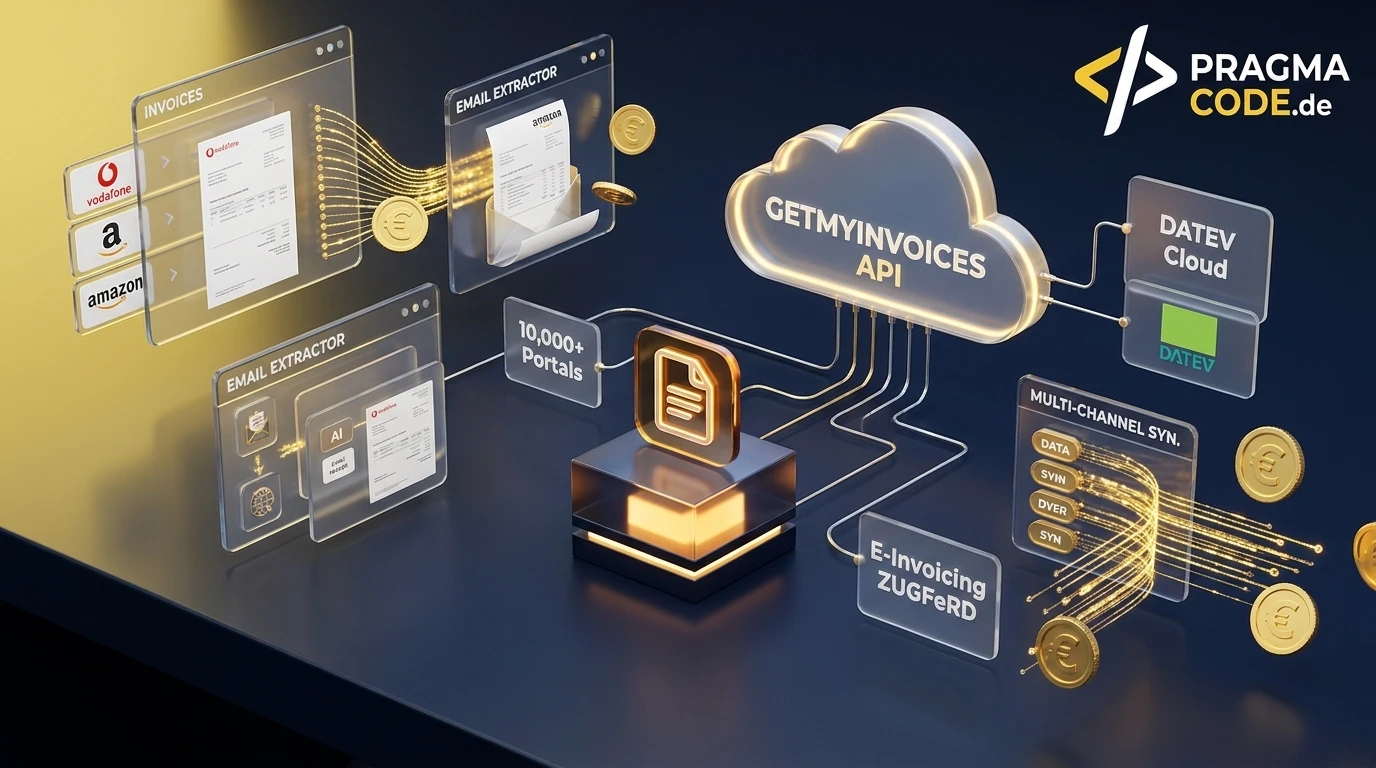
Manually collecting vendor invoices from provider portals, SaaS tools, and employee inboxes drains valuable time every single month. How does GetMyInvoices eliminate this operational bottleneck in 2026 through automated portal scraping, REST APIs, and e-invoicing pipelines?
This article is an in-depth expert contribution from our content cluster. Discover the complete overview on our main page: AI & Workflow Automation →
- Universal Document Aggregator: GetMyInvoices harvests accounts payable vouchers automatically across 10,000+ vendor portals, inboxes, and apps.
- Embedded OCR & EN 16931 Compliance: Real-time extraction of invoice numbers, totals, VAT splits, and native validation for hybrid e-invoices.
- Frictionless Integrations: RESTful APIs, webhooks, and out-of-the-box connectors synchronize data into DATEV, BMD, Addison, and n8n middleware.
- 1. The Receipt Dilemma: Why Manual Downloading Is Obsolete in 2026
- 2. Core Mechanics: Automated Scraping, Mailbox Crawling & Mobile Scans
- 3. API Architecture & Middleware: REST Endpoints, Webhooks & n8n
- 4. Comparative Analysis: Manual Invoice Gathering vs. Automated Pipeline
- 5. The 5 Core Export Channels for Enterprise Synchronization
- 6. GoBD Compliance, E-Invoicing Mandate 2026 & Certified Security
- 7. Implementation Roadmap: 4 Phases to a Flawless Ingestion Pipeline
- 8. Avoiding Common Cost Traps & Technical Implementation Pitfalls
- 9. Conclusion & Actionable Executive Checklist
1. The Receipt Dilemma: Why Manual Downloading Is Obsolete in 2026
In modern corporate environments, procurement workflows have evolved dramatically. Contemporary companies manage between 40 and upwards of 250 diverse SaaS platforms, cloud infrastructure providers, advertising channels, logistics vendors, and telecom services. Almost every service provider—from Google Workspace, Meta Ads, and Amazon Web Services to regional suppliers—no longer issues paper mail. Instead, documents are sequestered behind authenticated web portals or sent as fragmented download links in notification emails.
Without software automation, finance teams encounter severe operational drag at month-end: Accounting personnel waste dozens of hours logging into vendor portals, completing two-factor authentication prompts, renaming files, and uploading invoices to accounting software. GetMyInvoices remedies this inefficiency completely by centralizing and automating the entire document lifecycle from retrieval and metadata parsing to ledger synchronization.
Beyond wasted staff hours, uncollected invoices present tangible fiscal hazards: Under European tax law, missing purchase vouchers disqualify companies from claiming statutory input VAT deductions during tax audits. Delayed invoices also stall month-end ledger closings, distort cash flow metrics, and distract accounting talent from strategic enterprise analysis.
Expert Tip: Navigating the E-Invoicing Transition
With mandatory B2B e-invoicing taking effect across Germany and the EU, vendor vouchers must be received and preserved in structured XML formats such as XRechnung or ZUGFeRD. GetMyInvoices natively verifies XML schemas and archives original files in compliance with statutory audit standards.
2. Core Mechanics: Automated Scraping, Mailbox Crawling & Mobile Scans
The distinctive advantage of GetMyInvoices lies in its comprehensive multi-channel document ingestion architecture, retrieving receipts from any digital touchpoint automatically.
1. Automated Portal Scraping Across 10,000+ Vendor Portals
Automated headless browser agents authenticate securely into merchant portals. The system periodically inspects accounts across vendors like Amazon, Vodafone, Microsoft, and Google, fetching invoices within seconds of publication.
2. Intelligent Inbox Monitoring & Email Attachment Parser
Monitors designated financial inboxes via IMAP or MS Exchange. Email attachments and hyperlinked download buttons are crawled, validated, and transferred directly into the archival repository.
3. Mobile Receipt Capture & Expense Scanning App
Staff capture fuel receipts, restaurant tabs, and travel expenses using the mobile scanning application. Neural edge-detection auto-crops photos and synchronizes data immediately with corporate ledgers.
4. AI-Powered OCR Text & Field Extraction
A self-learning OCR engine identifies key financial fields including document date, payment due date, invoice ID, currency, IBAN, gross/net sums, and line-item tax distributions automatically.
3. API Architecture & Middleware: REST Endpoints, Webhooks & n8n
For software developers and digital operations leaders, GetMyInvoices delivers a modern, developer-centric interface toolkit. Through its RESTful API v3 and real-time webhooks, the software connects effortlessly with custom enterprise architectures.
1. Document & Metadata Endpoints
JSON endpoints allowing programmatic query and retrieval of invoices, extracted OCR field payloads, supplier IDs, and verification statuses.
2. Real-Time Webhooks
Immediate notifications dispatched upon successful voucher download or completion of compliance approvals by finance reviewers.
3. Native General Ledger Sync
Turnkey integrations with DATEV Unternehmen online, sevDesk, Lexware Office, Odoo, Sage, BMD NTCS, and Addison without bespoke coding.
4. Redundant Archival Targets
Automated multi-channel synchronization of original voucher files into Google Drive, OneDrive, Dropbox, SFTP nodes, or AWS S3 buckets.
In mature enterprise architectures, GetMyInvoices frequently functions as the primary ingestion node feeding workflow engines like n8n. Whenever GetMyInvoices retrieves a new invoice, a webhook triggers the n8n pipeline. The workflow cross-references voucher details against purchase orders in the ERP, executes Slack/Teams authorization workflows for department heads, and passes approved records into accounting ledgers.
A critical architectural feature is the evaluation of OCR confidence scores: GetMyInvoices furnishes a granular confidence score for every extracted entity (vendor, IBAN, total amount, tax rate). When extraction accuracy surpasses 95 percent, n8n automates straight-through dark processing into accounting archives. If an amount falls below the verification threshold, the workflow triggers an interactive review task for controllers, ensuring complete human oversight prior to general ledger posting.
Furthermore, the middleware prevents duplicated accounts payable records: If an invoice arrives through both portal scraping and inbox crawling, cryptographic hashing of the invoice ID and gross total identifies the duplicate immediately, keeping accounting journals pristine.
4. Comparative Analysis: Manual Invoice Gathering vs. Automated Pipeline
The operational return on investment achieved through document automation is apparent in a direct comparative analysis.
Comparison: Manual Gathering vs. GetMyInvoices Automation
- Labor Overhead: 8 to 25 hours per month spent navigating logins, 2FA codes, renaming files, and uploading.
- Missing Vouchers: Uncollected invoices delay month-end closings and forfeit valuable input VAT deductions.
- Process Friction: Manual correlation between bank statement transactions and detached PDF receipts.
- Human Error: Typographical errors in invoice numbers, dates, and tax codes during manual keying.
- Zero Manual Effort: Documents arrive automatically in accounting software and audit-proof repositories.
- Total Completeness: Automated daily sweeps guarantee 100 % receipt completeness before monthly deadlines.
- Frictionless Flow: Instant syncing to DATEV, BMD, or ERP software complete with pre-extracted OCR metadata.
- Statutory Compliance: GoBD-certified immutable archiving and automated EN 16931 e-invoicing validation.
5. The 5 Core Export Channels for Enterprise Synchronization
GetMyInvoices incorporates diverse output options, routing documents precisely to the systems utilized by finance personnel.
1. DATEV Rechnungsdatenservice
Direct bidirectional transmission of invoice images and structured accounting records into DATEV Unternehmen online.
2. Enterprise ERP Connectors
Automated transfer to enterprise suites including SAP, Odoo, Sage, Microsoft Dynamics 365, Oracle NetSuite, and BMD.
3. Cloud Storage Repositories
Real-time file replication to Google Drive, Microsoft OneDrive, Dropbox, SFTP nodes, or encrypted AWS S3 storage.
4. Modern Cloud Bookkeeping
Instant dispatch to contemporary SaaS accounting tools like sevDesk, FastBill, Billomat, BuchhaltungsButler, and Lexware Office.
5. Custom Webhooks & Middleware
Event-driven payloads streaming into custom enterprise microservices and automation pipelines for customized internal logic.
6. GoBD Compliance, E-Invoicing Mandate 2026 & Certified Security
Because GetMyInvoices processes sensitive enterprise financial records and portal credentials, data security and statutory compliance are paramount.
GoBD-Certified Immutable Archiving
Original files are archived without alteration. Adjustments to OCR metadata never overwrite the pristine underlying source voucher.
Bank-Grade Encryption Standards
Portal passwords are protected using AES-256 cryptographic encryption, hosted in certified ISO 27001 data centers located in Frankfurt, Germany.
EN 16931 E-Invoicing Verification
Inbound ZUGFeRD and XRechnung XML structures undergo automated schema checks before forwarding to ERP or accounting platforms.
Two-Factor Authentication (2FA) & SSO
Enterprise Single Sign-On (SSO) via SAML coupled with multi-factor authentication protects corporate accounts against credential breaches.
7. Implementation Roadmap: 4 Phases to a Flawless Ingestion Pipeline
Deploying GetMyInvoices across an organization succeeds via a methodical four-phase implementation roadmap.
-
Phase 1: Vendor Audit & Credential Cataloging
Audit recurring SaaS, cloud, and telecommunications suppliers, configuring designated portal connectors inside GetMyInvoices.
-
Phase 2: Mailbox Forwarding Configuration
Establish automated routing rules in the enterprise mail server (e.g., forwarding
invoices@company.comto GetMyInvoices). -
Phase 3: Integration Targets & ERP Configuration
Connect target export repositories (DATEV, ERP, cloud storage) and configure automated approval workflows for operational managers.
-
Phase 4: Live Rollout & Anomaly Auditing
Activate scheduled collection sweeps, institute monthly verification routines, and equip field staff with mobile scanning applications.
8. Avoiding Common Cost Traps & Technical Implementation Pitfalls
To maximize operational ROI, corporate teams should anticipate and avoid typical operational hurdles.
1. Stale Credentials Following Password Updates
When staff update vendor account passwords without refreshing GetMyInvoices credentials, scraping tasks pause. Establish team notifications.
2. Misconfigured Email Forwarding Filters
If forwarding filters route order confirmations alongside fiscal invoices, non-invoice attachments accumulate in the review queue.
3. Consolidated Billing Versus Individual Invoices
Major suppliers provide both per-transaction receipts and consolidated monthly statements. Coordinate with accounting on preferred formats.
4. Neglecting Verification on Unfamiliar Vendors
While OCR models achieve high accuracy, verify tax rate assignments on first-time suppliers to maintain absolute ledger precision.
9. Conclusion & Actionable Executive Checklist
In 2026, GetMyInvoices represents an indispensable efficiency catalyst for contemporary corporate accounting departments. Automating the retrieval and ingestion of receipts across more than 10,000 portals and inboxes eliminates tedious administrative toil and guarantees zero missing vouchers at month-end. Connected with REST APIs, real-time webhooks, and n8n middleware, GetMyInvoices establishes a dependable, future-proof bridge to autonomous financial operations.
Quick-Check: Your GetMyInvoices Action Plan
Ready to Automate Your Invoice Collection & ERP Pipelines?
Schedule a Free ConsultationOfficial Sources & Primary Documentation
- GetMyInvoices / fino data services (2026): "GetMyInvoices: Automated Invoice Management for Business" – Platform overview and vendor connector catalog.
- GetMyInvoices Developer Documentation (2026): "REST API v3 & Webhook Specifications" – Technical architecture and integration guide.
- Federal Ministry of Finance (BMF): "Principles for the Proper Maintenance and Retention of Electronic Books (GoBD)" – Statutory digital document compliance standards.
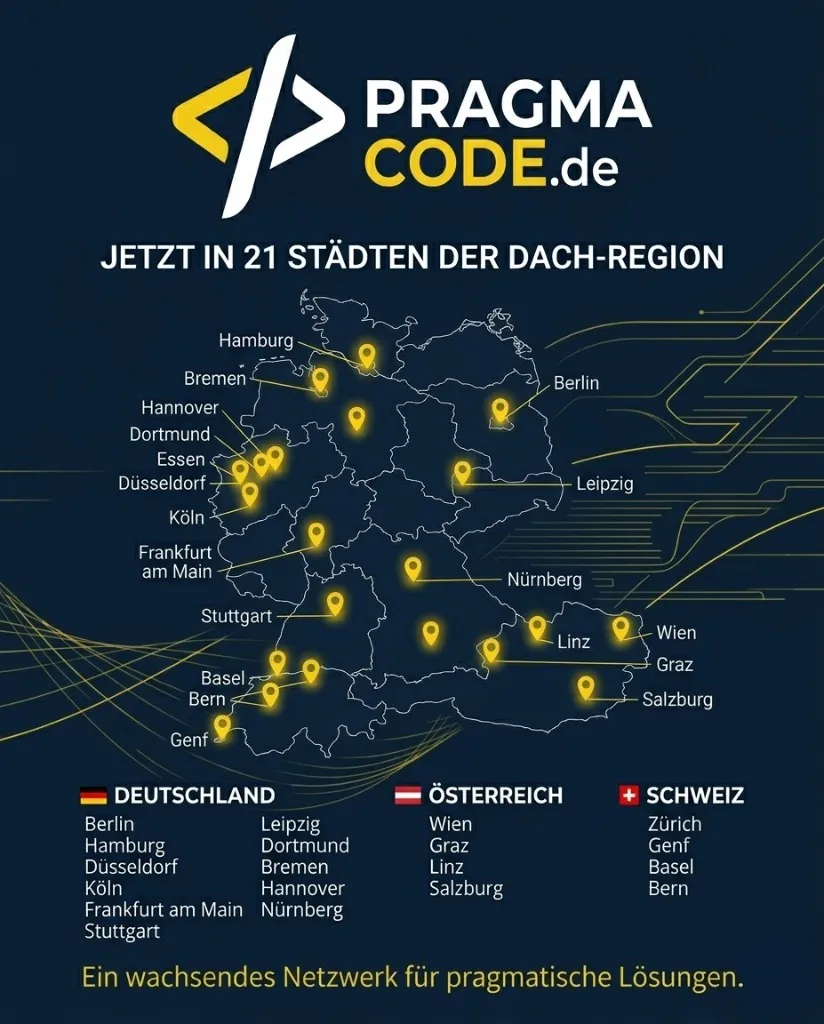
Our Regional Expertise
We are your digital partner – regionally anchored and successfully scaling across borders.
Have a vision?
Let's check together how we can make your idea take flight.
Book your free strategy call nowExtended Specialized Glossary
GetMyInvoices
The leading invoice management platform for automated receipt retrieval from over 10,000 online portals, mailboxes, and enterprise systems.
Portal-Scraping
The automated software-driven collection of billing documents and invoices from authenticated online supplier and vendor accounts.
ZUGFeRD
A hybrid electronic invoice format combining a visual PDF representation with embedded, machine-readable XML data based on European standard EN 16931.