


In 2024 Gartner predicted search volume would drop 25% by 2026. It did not happen — Google still processes more queries, not fewer. What collapsed instead was the clicks: 68% of US Google searches in the first four months of 2026 ended without a single one. For B2B marketing that is the harder version of the problem, because the market is not shrinking — the path to the customer simply no longer runs through the click, but through being named in the answer.
This article is an in-depth expert contribution from our content cluster. Discover the complete overview on our main page:GEO Optimization & Content Strategy →
- The 25% forecast did not play out that way: Gartner expected search volume to fall by 2026. Volume held — the clicks fell instead. 68.0% of US Google searches ended without a click in early 2026 (SparkToro), against 60.5% in 2024.
- The End of the 10 Blue Links: AI responses do not feature second pages or rankings 4-10. If an LLM does not identify your company as a top-3 trusted entity for a specific B2B domain, your brand is excluded from buyer consideration.
- The Strategic Shift to GEO: Generative Engine Optimization (GEO) replaces keyword density with entity authority, citable facts, structured knowledge graphs (Schema.org), and machine-readable endpoints (such as
llms.txt). - Pragma-Code Solution: Through our specialized GEO Optimization Services and our proprietary AI Visibility Monitor, we secure and scale your brand presence inside AI synthesis answers.
The Turning Point in Digital Customer Acquisition
Operating search marketing in 2026 using 2021 tactics leads to wasted budgets. While traditional search volume contracts, conversion rates from AI citations in ChatGPT & Perplexity are significantly higher—because buyers place exceptional trust in synthesized AI recommendations.
1. What the Forecast Said — and What Actually Happened
In February 2024, Gartner predicted that traditional search engine volume would drop 25% by 2026. The figure has travelled through every marketing deck since. Now that the target year is the present, it can be checked — and the outcome is not the one most people expected.
Search volume did not collapse. Google still processes more queries, not fewer. Anyone who read the 25% forecast literally, as a loss of volume, got it wrong.
The searches did not disappear — the clicks did
In the first four months of 2026, 68.01% of US Google searches ended without a single click, up from 60.45% in 2024. The share of searches that still send a click anywhere has fallen 22.9% in two years. For every website combined, less than a third of total search volume remains reachable by a click.
For your visibility, that is the harder version of the problem. A shrinking market would have hit everyone evenly. Instead the market stays large — but the path to the customer no longer runs through the click. It runs through being named in the answer. The evidence:
| Finding | Figure | Source & method |
|---|---|---|
| Google searches ending without a click | 68.0% (2024: 60.5%) | SparkToro, US clickstream data, Jan–Apr 2026 |
| Clicks on a regular result when an AI summary is shown | 8% instead of 15% | Pew Research Center, 68,879 real searches by 900 US users, March 2025 |
| Clicks on a source cited inside the AI answer | 1% | Pew Research Center, same study |
| Zero-click share since AI Overviews launched | 56% → 69% | Similarweb, May 2024 to May 2025 |
| CTR of position 1 with an AI summary above it | −58% | Ahrefs, analysis of 300,000 keywords |
And in Germany?
The figures above come from US research — clickstream panels and behavioural studies that barely exist in this form for the German-speaking market, because such panels are considerably harder to operate here under EU data protection law. For Germany there is a measurement from a different angle instead: in February 2026, SISTRIX analysed more than 100 million German keywords in its own German Google index.
Two things here matter more for planning than the headline. First: the average click loss across all keywords is 6.6% — far below the 60% drop on position 1, because AI Overviews only appear on about a fifth of searches. Second, and this is the real point: that average ranges from 1% to over 24% depending on the sector.
So your actual exposure does not depend on the market average but on how explanation-heavy your topics are. Anyone publishing explanatory content — precisely the typical B2B mix of guides, comparisons and technical articles — sits at the upper end. That is why the checklist in the next section is more useful than any market figure: it measures your case, not the average.
These numbers come from different methods — clickstream, observed browsing behaviour, keyword analysis — and all point the same way. That makes the finding more solid than any single forecast.
This is exactly where the two disciplines diverge: traditional SEO optimises for someone clicking. Generative Engine Optimization (GEO) makes sure your company facts appear in the answer itself — which also works for the 68% of searches where nobody clicks at all.
2. How B2B Decision-Makers Research Solutions in 2026
Consider how a modern Head of Procurement or VP of Marketing conducts research in 2026:
Keyword Search & Tab Overload
The buyer typed "B2B ERP software manufacturing comparison" into Google, opened 7 browser tabs, scanned vendor sales pages, and manually tried to build a feature and pricing comparison matrix.
Synthesized Prompt Research
The buyer enters a prompt into ChatGPT Pro or Perplexity: "Create a comparison matrix of the top 3 GDPR-compliant B2B ERP systems for mid-sized German manufacturers, focusing on native SAP integration, sub-6-month deployment, and transparent licensing costs."
The AI processes the prompt in milliseconds, conducts real-time vector search across live web data, and presents a consolidated answer. If your digital ecosystem lacks structured, AI-readable data architecture, your company is completely bypassed by the model.
The fundamentals live in the masterplan
How GEO works technically — SEO versus GEO side by side, the four pillars of entity authority, the roadmap and the AI Visibility Monitor — is covered in depth in GEO over SEO: The Masterplan for Visibility in AI Search. This article answers the question that comes first: how urgent the problem actually is — and whether your site holds up today.
3. Technical Audit: B2B GEO Readiness Checklist
Is your web infrastructure optimized for generative search engine indexing? Evaluate your status with this technical audit checklist:
B2B GEO Readiness Audit Checklist
llms.txt Standard File
Essential
Is a clean, machine-readable Markdown overview of your company and solutions deployed at your root path (/llms.txt) for LLM crawlers like GPTBot?
Are Organization, Product, Service, and FAQPage schemas linked in a unified JSON-LD knowledge graph across your web platform?
Do core articles feature concise 40–60 word answer boxes addressing key buyer queries for seamless parsing by RAG algorithms in ChatGPT & Perplexity?
robots.txt
Action Required
Are AI search bots such as GPTBot, PerplexityBot, ClaudeBot, and Google-Extended explicitly allowed to crawl your technical domain content?
Are expert author profiles embedded with SameAs references pointing to verified LinkedIn profiles, industry whitepapers, and patents?
4. Conclusion: The Pressure Now Has a Number
The pressure is not a doomsday scenario, but it now has a number: less than a third of search volume still sends a click at all, and where an AI summary appears it is 8%. Organisations that shift from keyword density to Generative Engine Optimization now are playing for the mention inside the answer — the part that is growing.
The transition itself — entity architecture, roadmap and measurement — is covered in the masterplan, GEO over SEO. If you want to know where your brand stands inside ChatGPT and Perplexity first: we assess your GEO readiness in a complimentary initial review.
Secure Your AI Search Dominance
Discover our specialized GEO Optimization Packages or request a deep-dive technical audit of your enterprise website.
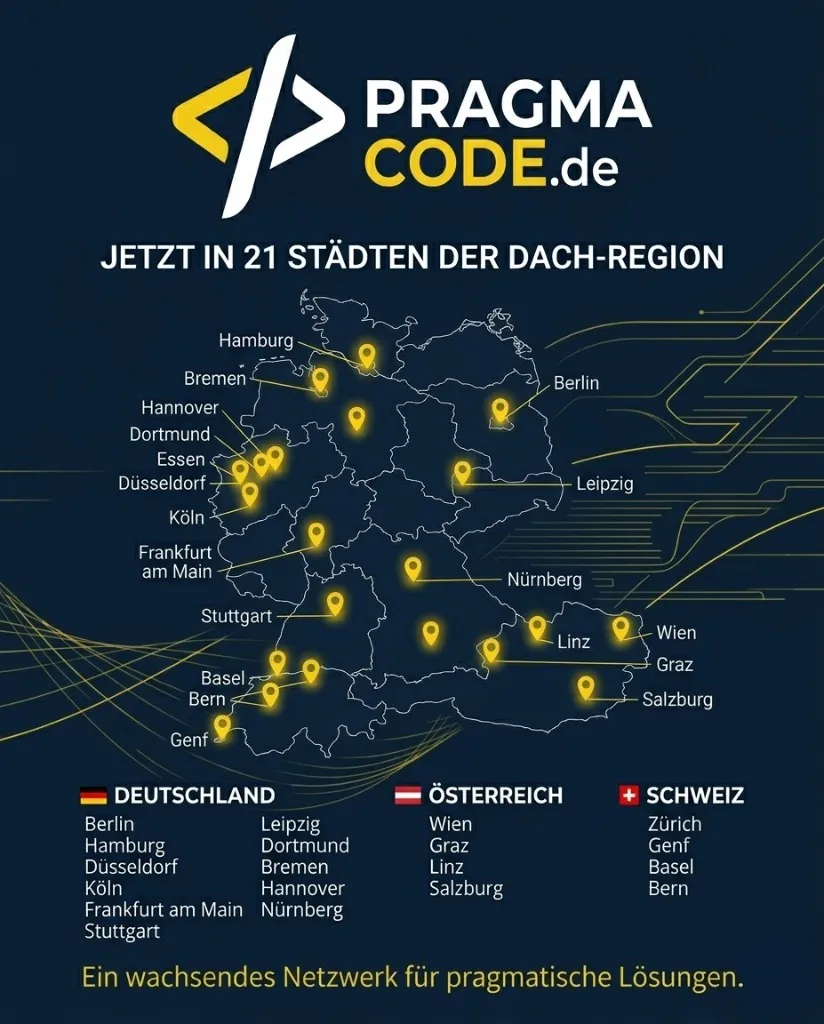
Our Regional Expertise
We are your digital partner – regionally anchored and successfully scaling across borders.
Have a vision?
Let's check together how we can make your idea take flight.
Book your free strategy call nowExtended Specialized Glossary
Generative Engine Optimization (GEO)
Strategic optimization of digital assets for generative AI search systems (ChatGPT, Perplexity, Gemini) via semantic entity structuring, E-E-A-T authority signals, and machine-readable data architectures.
Entity Citation Rate
The percentage of AI model responses in which a specific company entity or brand is cited by name as a primary source or buying recommendation.
llms.txt Standard
A standardized machine-readable file located at the root of a website (/llms.txt) providing AI crawlers with structured summaries, core entities, and prioritized content paths.